Articles, LinkedIn or X posts that caught my attention recently, with my take in a few lines and the blog articles that go further on the topic.
L'Usine Digitale
Sovereign cloud: Airbus picks Scaleway to host its critical applications
Airbus selected Scaleway (an Iliad subsidiary) as its sovereign cloud provider to host around 70 critical applications by 2028 (aerospace design, engineering, production, operations), with potential to reach 900 applications over five to six years. The deciding factor isn't so much political sovereignty as legal protection against extraterritorial US laws (the Cloud Act) and the risk of a "kill switch": Scaleway claims zero shareholders, employees, or subsidiaries outside the EU. This doesn't replace Airbus's multicloud strategy (AWS, Azure, GCP remain in place) but isolates the most sensitive workloads. The deal also ties into the AI partnership signed with Mistral in May, already deployed on Scaleway's infrastructure.
Our collective digital memory is eroding in real time
A LinkedIn post by Benjamin Charles on the fragility of the archived web: more than a third of pages indexed in 2013 have disappeared, the Library of Congress abandoned Twitter archiving in 2017, and the Trump administration made more than 8,000 pages and 3,000 federal datasets vanish. The Wayback Machine faces legal takedowns and site blocks over suspicions it feeds AI scraping, while archive.today remains run by an anonymous owner the FBI has tried to identify. AI models train on this very corpus as it collapses in real time.
The Fuites Infos extension flags data breaches in real time
A browser extension that automatically alerts you when you visit a site whose company has suffered a data breach. Over 600 domains listed. Exactly the kind of preventive reflex I recommend for digital security.
First robotic amphibious landing: a naval drone deploys an armed ground robot
On 13 July, on the Kinburn Spit, an autonomous Ukrainian naval platform landed an armed ground robot (Rys family, 7.62mm machine gun, AI-assisted targeting) that opened fire on Russian positions. The first fully robotic, coordinated sea-to-land combat mission, without exposing a single soldier.
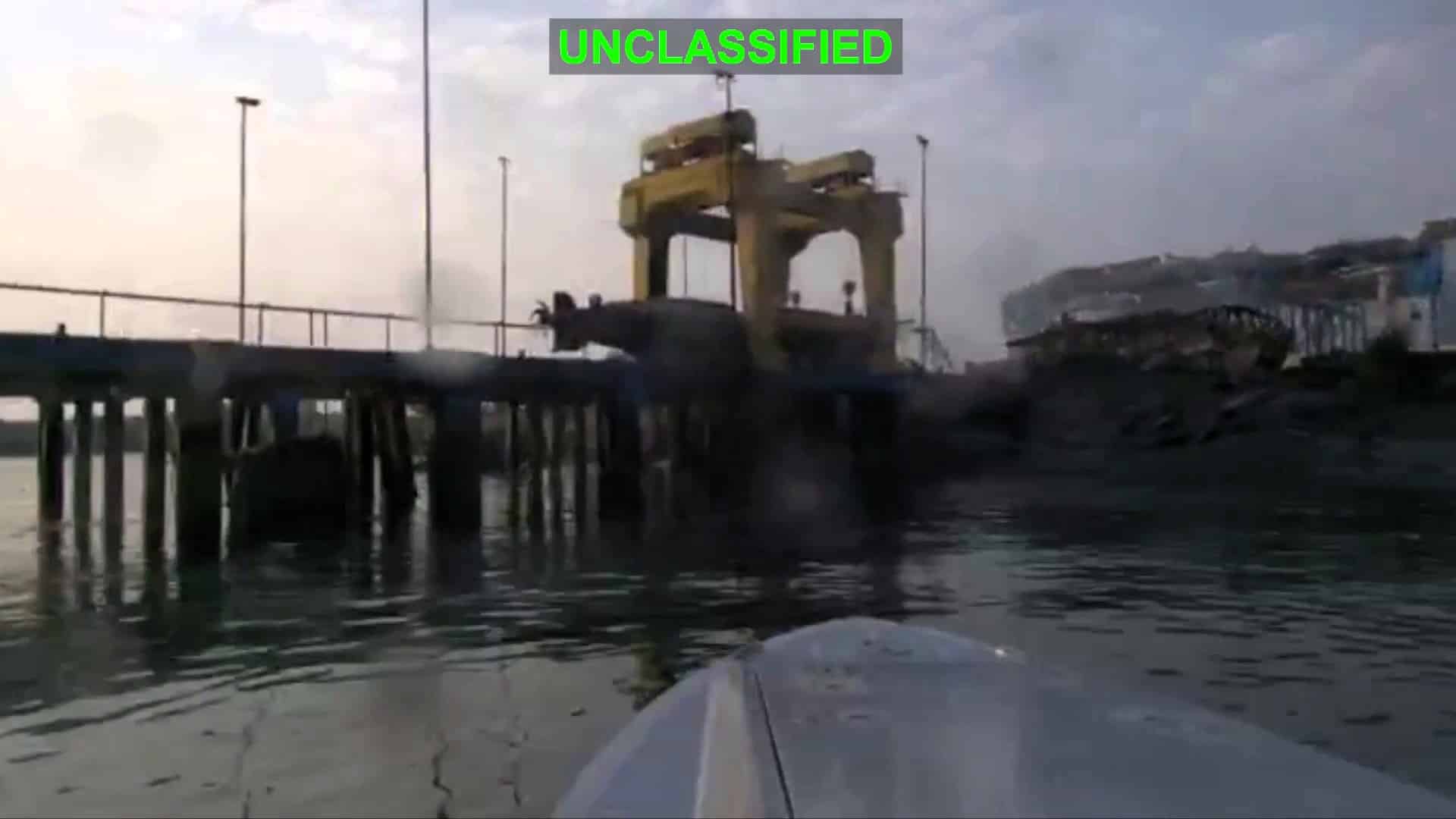
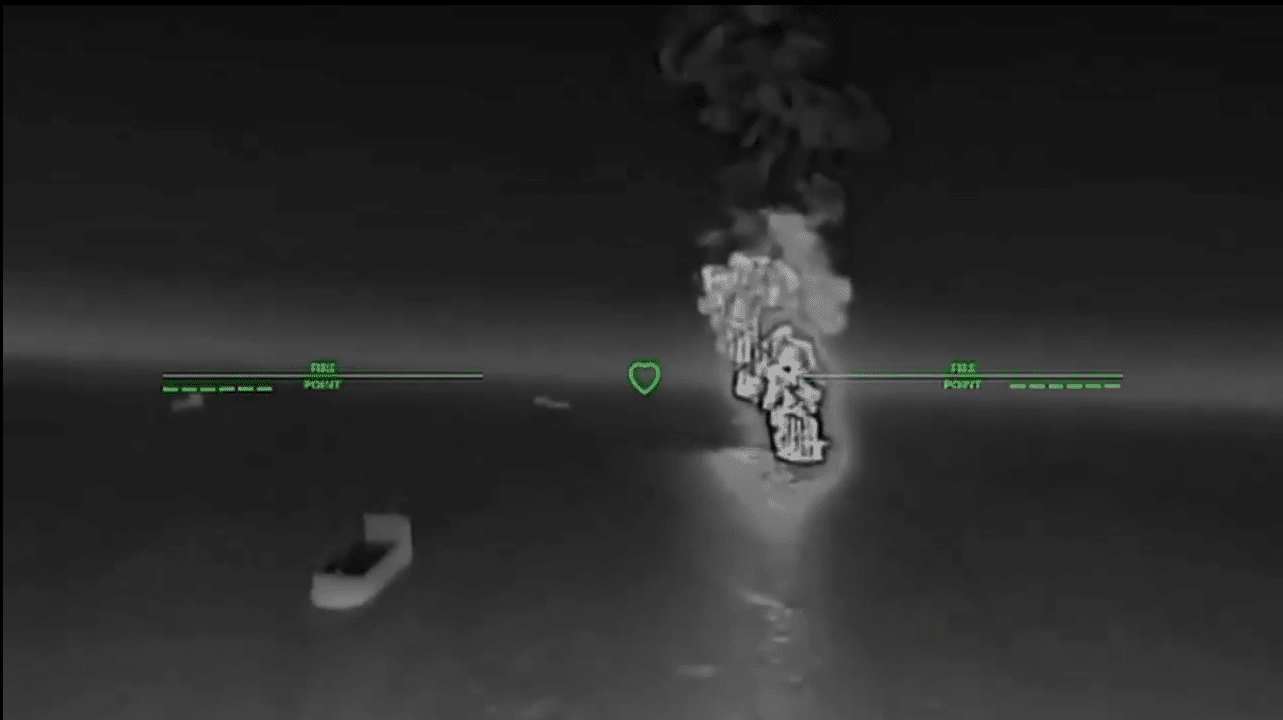
CENTCOM deploys Corsair surface drones against Iran
The first US combat use of surface drones, against Iran's Bandar Abbas naval base. Ukraine's low-cost swarm sea-denial doctrine has now spread to the world's leading navy.
Product management in 2026: the end of methodology dogma
Organisations are abandoning the idea that a single framework mechanically produces value, in favour of hybrid approaches and the ability to decide fast. The product/project manager role is shifting toward being a change agent, involved in strategy rather than just ritual tracking.
RGAA 5 will integrate WCAG 2.2 and extend to mobile and office software
France's DINUM is preparing RGAA 5: integration of WCAG 2.2, extension to mobile apps and office documents, simplified criteria wording, and Arcom designated as the oversight authority. Technical continuity with 4.1.2, not a break.
Chat Control: the European Parliament ultimately excludes encrypted messaging
Vote on 9 July 2026: a majority of voting MEPs came out against Chat Control, which passed anyway for failing to reach the absolute majority threshold required at second reading. The adopted text excludes encrypted messaging apps, but a later version could introduce client-side scanning that would break those protections.
France's CNIL now requires consent for email tracking pixels
France's CNIL and Italy's Garante now treat email tracking pixels as cookies: explicit consent required, with a 14 July 2026 deadline in France. The inbox is treated as an extension of privacy, the same logic as web tracking.
Ukraine expands its naval drone campaign in the Black Sea and Sea of Azov
More than 100 Russian vessels hit in July by Ukrainian surface drones, including shadow-fleet tankers. Russia had to suspend traffic through the Don Canal and the Kerch Strait. The sea-denial doctrine keeps proving itself, at a larger scale every month.
The AI Act's transparency obligations (Article 50) take effect on 2 August 2026: disclosure requirements for chatbots, AI-generated content, and deepfakes. The EU Council approved a simplification package in late June that delays certain high-risk obligations, without touching the transparency requirements.